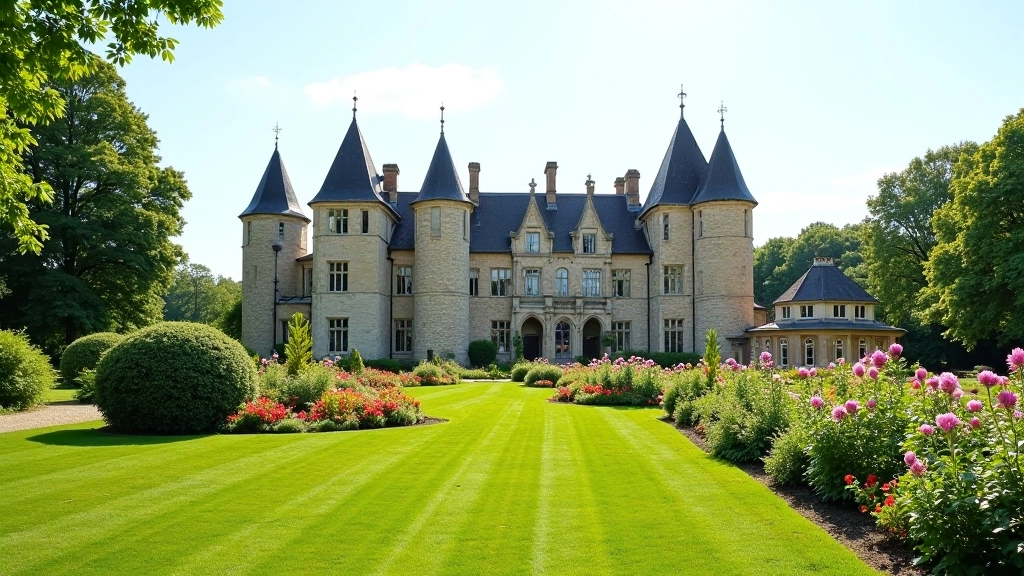
Walking through the forest isn't just exercise. It's a chance to slow down, breathe properly, and reconnect with what matters. The wooded trails at Bīriņi offer something special — natural spaces where you can focus on breathing techniques while the forest does the work for you.
We've designed this route specifically for people who want to combine movement with mindfulness. There's no rushing here. The path winds through mature pine and birch trees, with plenty of quiet spots where you can pause, breathe, and just be present. You'll walk about 2.5 kilometers at a leisurely pace, with built-in breaks for reflection.
Why Breathing Matters on a Walk
Most of us don't think about how we breathe. We just do it automatically. But when you're walking through nature with intention, your breathing becomes the anchor that keeps you present.
On this walk, we'll teach you diaphragmatic breathing — that's deep belly breathing, not shallow chest breathing. You'll notice the difference immediately. Your shoulders relax, your mind quiets down, and suddenly the forest sounds become clearer. The rustling leaves, birdsong, the crunch of gravel underfoot — it's all there, waiting for you to notice.
We start the walk with a simple breathing exercise right at the beginning. Three minutes of guided breathing gets your nervous system calm before you even start moving. It sounds simple, but it's transformative.
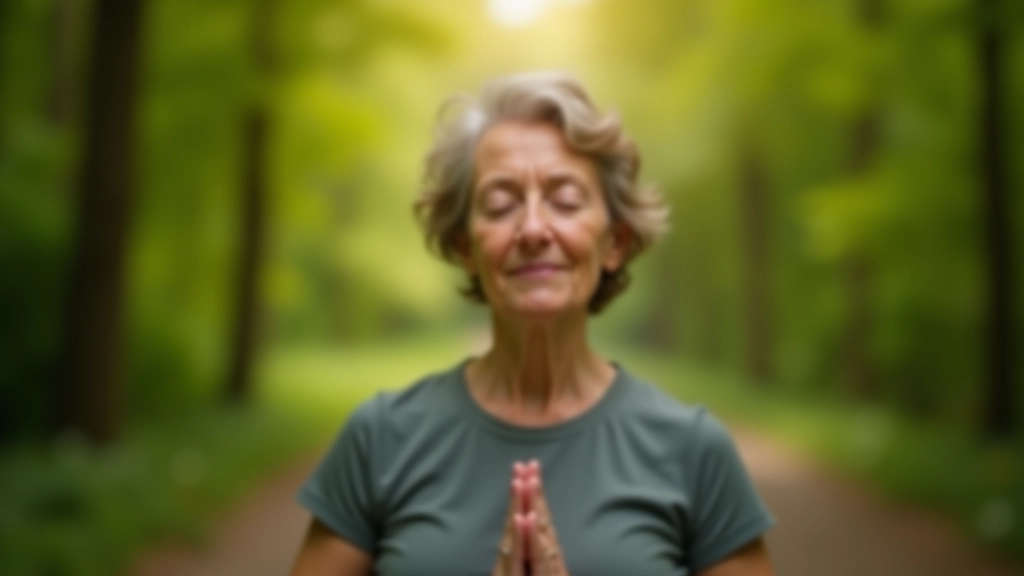
The Breathing Technique We Use
Box breathing: Inhale for 4 counts, hold for 4, exhale for 4, hold for 4. Repeat for 5-10 minutes. It's that straightforward, and it genuinely works. Your heart rate drops, your mind settles, and you're ready to walk with full awareness.
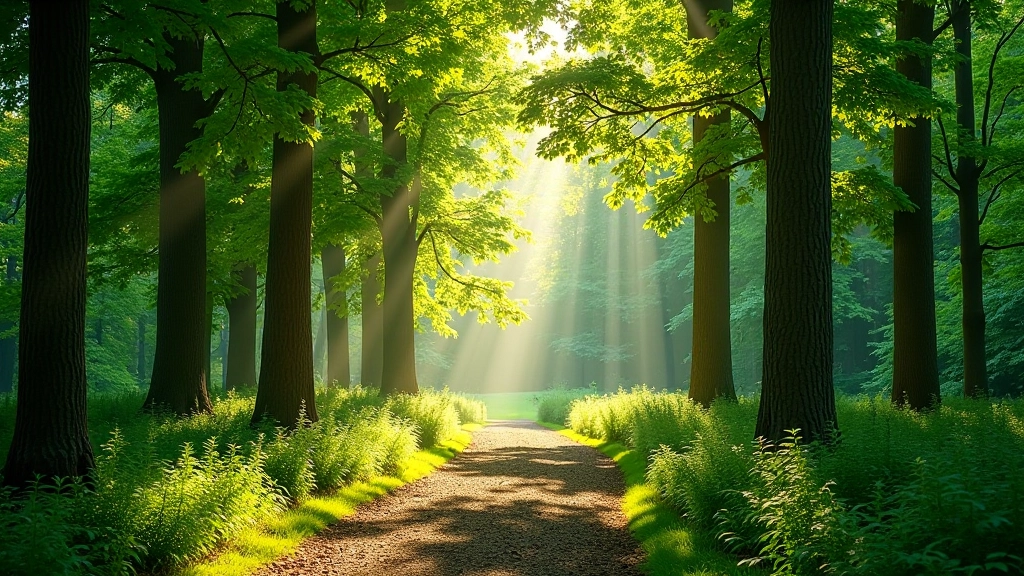
The Route: A Sensory Journey
The Forest Wellness Walk follows the northern trails of Bīriņi estate. You'll start near the old stone chapel and head into the deeper forest sections. The path is well-maintained — no tricky terrain or unexpected obstacles. We're talking a gentle, rolling walk on gravel and compacted earth.
Along the way, you'll encounter three designated pause points. Each one's designed for a specific type of mindfulness work. The first pause (about 500 meters in) is for sensory awareness — you'll stop, stand still for two minutes, and just observe. What do you hear? What do you smell? What textures can you feel?
The second pause focuses on gratitude and reflection. You'll sit on one of the wooden benches and spend time thinking about what you're grateful for. No rush. Some people journal here; others just sit quietly.
The final pause is at a small clearing where you can see across the estate. You'll do a closing breathing exercise and prepare mentally for heading back.
About This Guide
This article provides educational information about walking routes and breathing techniques at Bīriņi manor estate. While these practices are generally safe and accessible for most fitness levels, individual circumstances vary. If you have respiratory conditions, cardiovascular concerns, or mobility limitations, consult your healthcare provider before starting any new walking program. The pace and duration described here can be modified to suit your personal needs.
What to Bring and Prepare
Don't overthink this. You need comfortable walking shoes with good grip — the forest floor can be damp. Wear layers because temperature drops under the tree canopy, even on warm days. Bring water. A lot of people underestimate how thirsty you'll get.
Leave your phone on silent. Seriously. You don't need notifications interrupting your mindfulness practice. If you're bringing it for emergencies, that's fine, but keep it in your pocket.
Some people like to bring a small notebook for the reflection pause. Others prefer audio recordings — we've got a guided version available if you'd like narration through the breathing exercises. But honestly? The forest itself is the best guide.

Best Times to Walk
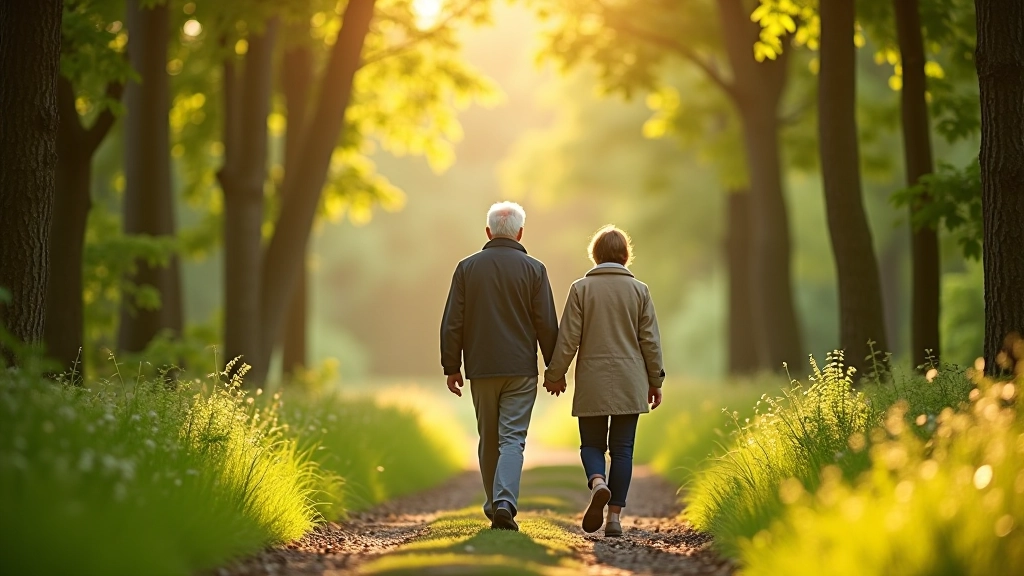
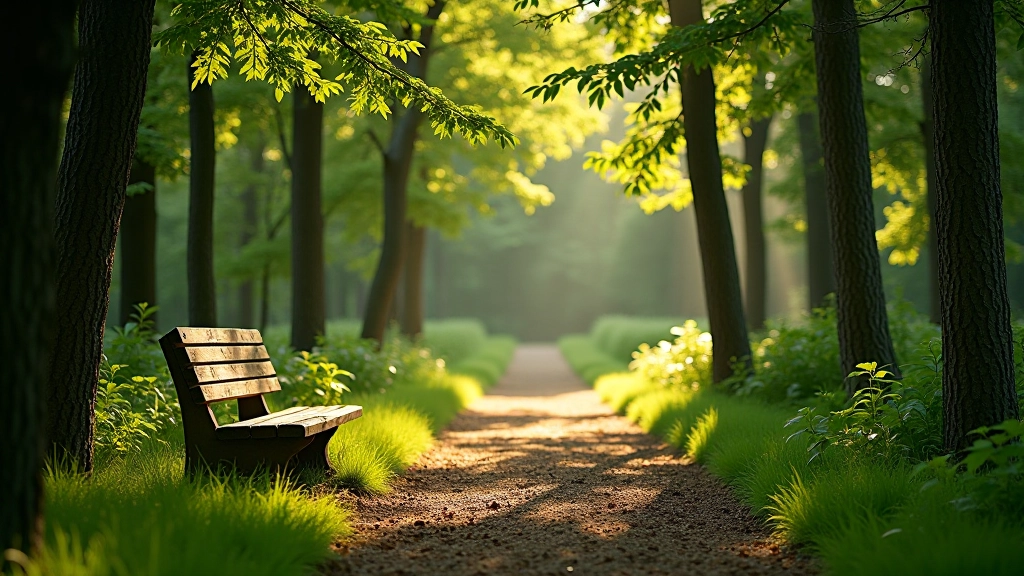
Early morning is ideal. You'll encounter fewer people, and the forest feels different — quieter, fresher. The light filtering through the trees is spectacular around 7 to 8 AM. Your mind's also more receptive to mindfulness practice before the day's stress accumulates.
Late afternoon works too, especially in summer when daylight stretches long. Avoid midday if you can — it's hotter, busier, and the reflective quality of the forest diminishes.
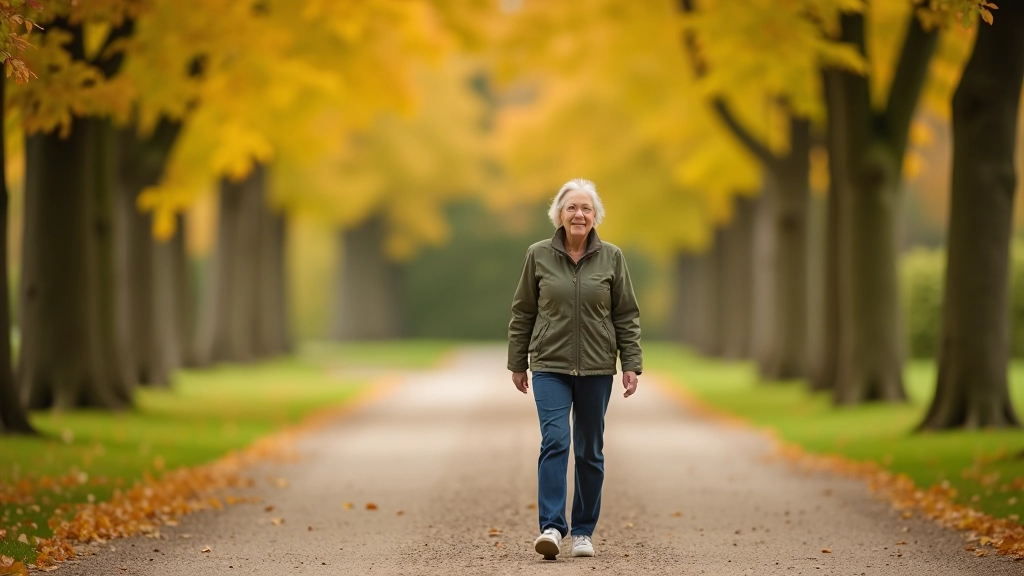
Autumn's particularly special here. The golden light, the color shift, the crunching leaves under your feet. It's different from summer's lush green, but equally rewarding for mindfulness practice.
A Walk That Actually Changes Things
People ask us all the time if this walk is "just a walk." It's not. There's structure, intention, and guidance built in. You're learning actual breathing techniques, not just strolling. You're developing a mindfulness practice in a setting specifically designed to support that practice.
What makes it special is that you're doing this in the forest. Not in a gym. Not in a yoga studio. In real nature, with real trees, real birdsong, and real quiet. That context matters more than you'd think. Your nervous system responds differently to natural environments. The forest isn't just a pretty backdrop — it's an active participant in your wellness.
Most people finish this walk feeling noticeably calmer. Not exhausted, not rushed. Just settled. That's the goal. Come back regularly and you'll start noticing changes in how you handle stress, how you sleep, how you approach your day. That's not promise or hype. That's what mindfulness does when you actually practice it.