
The Garden's Living History
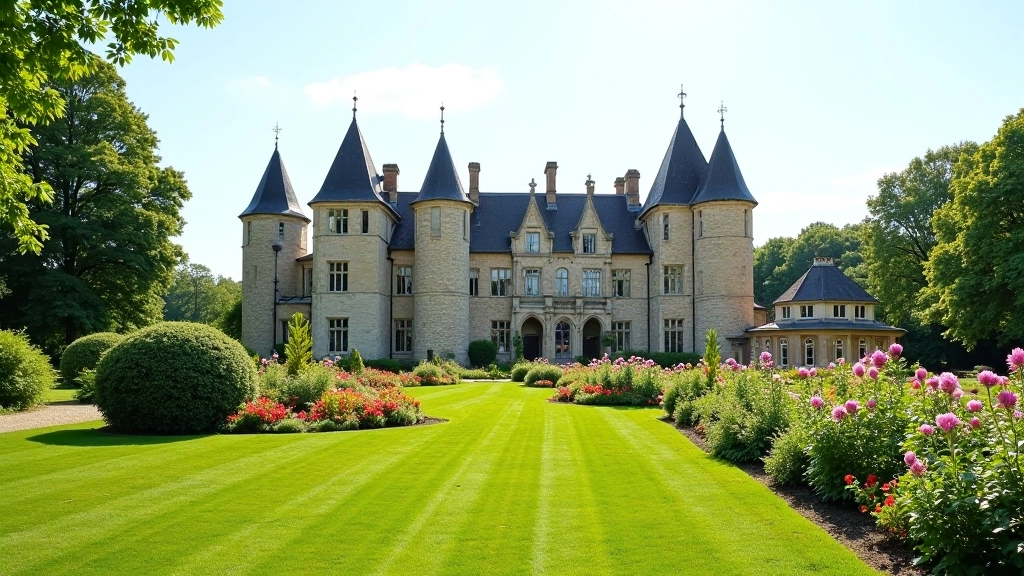
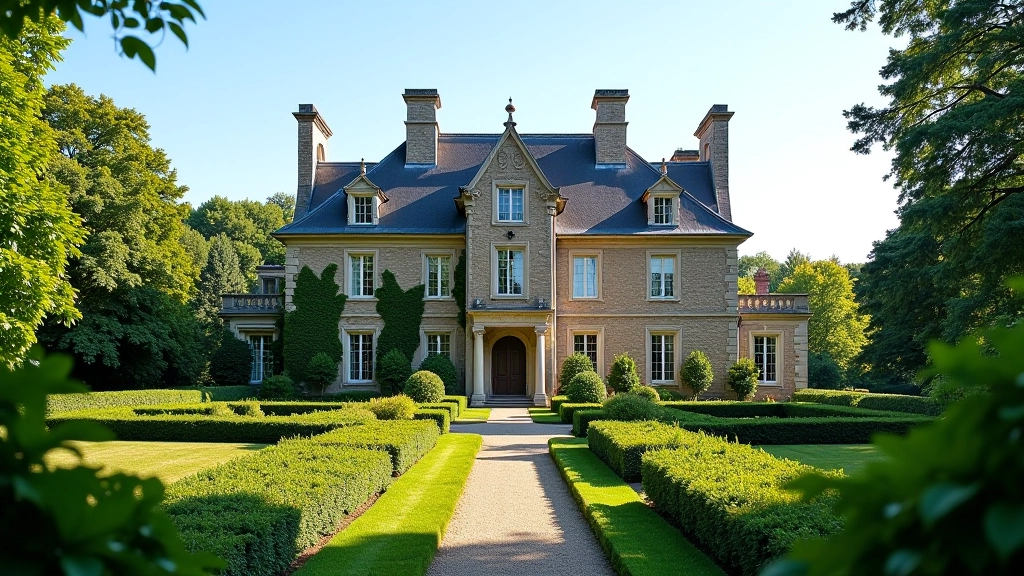
When you walk through the gates, you're stepping into a carefully curated timeline of landscape design. The formal gardens near the castle reflect 1870s aesthetics — symmetrical layouts, manicured hedges, and specimen plantings chosen for their visual impact. But here's what makes Bīriņi different from other heritage gardens: the restoration team didn't freeze it in time.
Key fact: The 2019 restoration added 14 new interpretive markers throughout the grounds. Each one explains not just what you're looking at, but why it matters to Latvia's cultural heritage.
Instead, they maintained the original character while making the entire space genuinely walkable. The gravel paths got replaced with smooth paving. Benches were added at natural stopping points — 23 of them scattered throughout the 2.8 hectares. Wheelchair access was integrated without looking like an afterthought. That's what proper restoration looks like.
The Formal Gardens
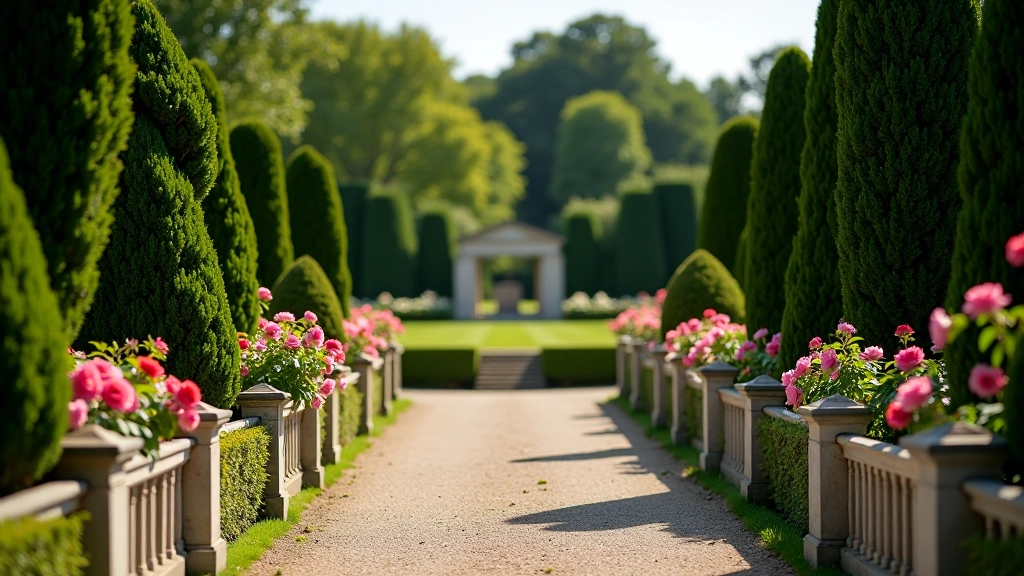
The section immediately surrounding the castle showcases Victorian-era garden design. Symmetrical parterres, specimen trees positioned for seasonal interest, and flowering borders create what gardeners call a "picturesque" layout — organized enough to feel intentional, natural enough to avoid looking rigid.
You'll notice roses everywhere. Not just because they're beautiful, but because they were status symbols in the 1870s. The 45 hybrid tea roses and English garden roses you see here represent varieties that would've been available to the original owners. Some of the plantings are 25+ years old.
Walking the Routes
There's no single "correct" path here. The gardens connect via a network of 3.2 kilometers of paved pathways, so you can customize your experience. Most visitors follow a natural loop that takes them through the formal gardens, around the tree collections, and down to the viewing terrace overlooking the grounds.
The Tree Collections
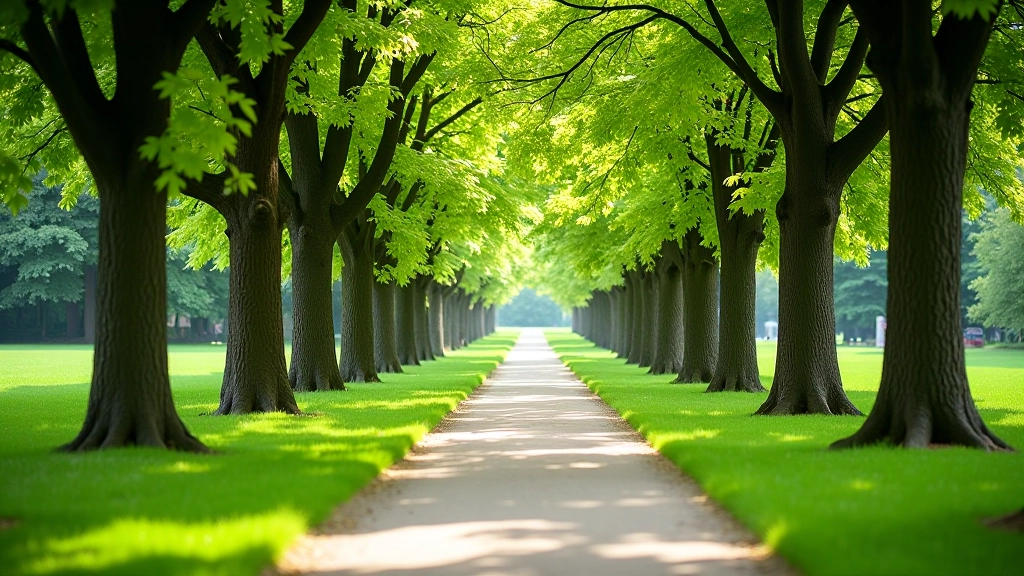
Beyond the formal gardens lies what heritage gardeners call the "arboretum section." It's less about ornamental display and more about specimen collecting. You'll walk among 40+ species of trees — many of them rare for Latvia's climate. Some are over 150 years old.
The interpretive markers here are genuinely helpful. They'll tell you which trees were planted by the original owners, which ones were added during 20th-century maintenance, and which recent additions complement the historical composition. It's like a conversation across centuries.
What to Notice Along the Way
The genius of this garden isn't in any single element — it's in how everything works together. But if you want to really see what's happening, pay attention to these details:
Sight Lines
The garden was designed so you'd encounter views at specific moments. A turn in the path reveals the castle suddenly. An opening shows you the viewing terrace. This isn't accident — it's intentional composition.
Plant Succession
Spring bulbs give way to perennials, which transition to summer shrub interest, finishing with autumn foliage. Walk here in different seasons and you'll see different stories. July's a riot of color. September's all gold and bronze.
Water Features
There's a small fountain and reflecting pool in the formal section. They're not just decorative — they cool the microclimate and create focal points for rest areas. Notice how the seating always faces the water.
Accessibility Design
Smooth paving throughout. Gentle slopes instead of stairs. Benches with armrests positioned every 200-300 meters. Shade coverage for rest areas. This is how heritage spaces should be designed.
The Viewing Terrace
Most people's favorite spot is the terrace on the southeastern edge. It's positioned to show you the entire garden composition at once. You can see how all the different sections — formal gardens, tree collections, peripheral plantings — fit together as a unified design. There's seating, shelter from the elements, and interpretive panels explaining the landscape beyond the castle grounds.
It's a good place to sit for 10-15 minutes and just observe. Gardens aren't meant to be rushed through. They're designed for reflection — literally and figuratively, with those reflecting pools.
Important Information
This article is informational and educational. While the castle grounds are publicly accessible and maintained as a heritage site, conditions and accessibility may vary seasonally. Check current opening hours and any seasonal closures before visiting. Paved surfaces are generally well-maintained, but we recommend appropriate footwear for garden walking. If you have mobility concerns or specific accessibility needs, contact the heritage site directly to confirm current conditions.
Planning Your Visit
You don't need a guide or special preparation. Come with comfortable shoes, water, and maybe a light jacket. The gardens work in all seasons, though May through September offer the fullest display. Early morning visits mean fewer crowds and softer light for photography.
The markers aren't just informational — they're invitations to look closer. What appears as a simple evergreen hedge actually shows sophisticated layering techniques. A curved pathway isn't just for aesthetics; it controls sightlines and pacing. Every detail reveals the thoughtfulness of both the original designers and the restoration team.
That's what makes this more than just a pleasant walk. It's a chance to understand how landscape design works, why certain choices matter, and how heritage spaces can remain genuinely functional for modern visitors. You'll leave knowing something about gardens, history, and thoughtful design that you didn't know before.